


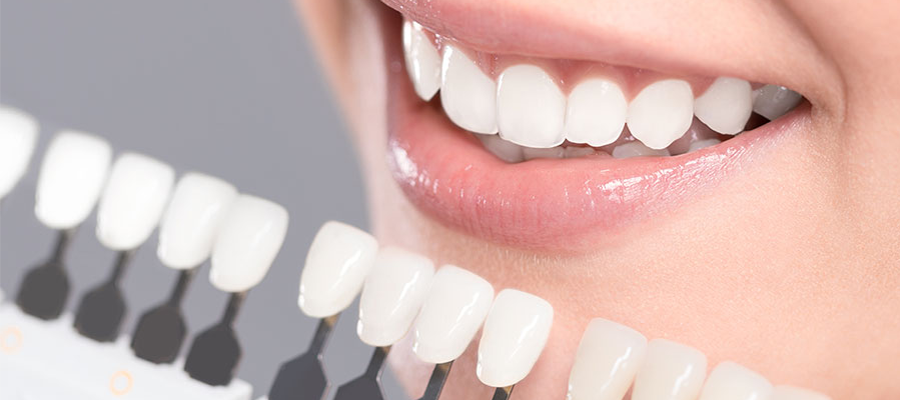
Zirconia crowns are a type of dental restoration applied over teeth with the aim of improving aesthetics and durability, using a zirconia-based substructure. They can be preferred both to refine the smile appearance in front teeth and to provide stronger resistance to chewing forces in back teeth. Because they do not contain metal, they can help reduce the risk of dark reflections along the gumline and aim for a more natural look. When shade matching is planned correctly, it is possible to achieve a result that blends with natural teeth.
The treatment process starts with an examination. The current condition of the teeth, gum health, and bite relationship are evaluated. Then the tooth is prepared as needed, an impression is taken, and a personalized crown is produced. After try-in and fit checks, the crown is permanently fixed. With regular oral care and follow-ups, zirconia crowns can be used comfortably for a long time.
What Is a Zirconia Crown?
A zirconia crown is a treatment method in dentistry that combines aesthetics and strength. Zirconia teeth are made using zirconium oxide, a strong material produced from titanium alloy-based systems. This material is preferred to give teeth a natural appearance. These crowns, especially used on front teeth, provide highly satisfying results from an aesthetic point of view. Because zirconia can transmit light, it can offer a look that is very close to natural teeth.
To learn more about zirconia crowns and get guidance for your process, you can get pricing from us and ask for support.
How Is a Zirconia Crown Done?
Zirconia crown treatment usually consists of three stages. First, the tooth is cleaned and prepared. Then the dentist shapes the tooth to determine the correct size and form and takes an impression. This impression creates the design of the zirconia crown so it fits the tooth precisely. Finally, the zirconia crown is placed on the tooth and any needed adjustments are made. Temporary teeth may be used before and after the crown is fitted.
To learn more about the zirconia crown procedure and get guidance, you can get pricing from us and ask for support.
Who Is a Zirconia Crown Suitable For?
Zirconia crowns are suitable for people who have aesthetic concerns and whose teeth are healthy but need aesthetic improvement. They are especially preferred for front-tooth applications. If there are fractures, wear, discoloration, or shape problems, a zirconia crown can be an ideal option to address these issues. Also, for patients with metal allergies, zirconia crowns can be preferred safely. Because zirconia provides a balance of strength and aesthetics, it can be planned for a wide range of users.
To learn more about who zirconia crowns are suitable for and the treatment process, you can get pricing from us and ask for guidance.
What Are the Features of Zirconia Crowns?
Zirconia crowns have many advantages in terms of aesthetics and durability. One of the most important features is that they provide a look very close to natural teeth. Thanks to light transmission, zirconia crowns add natural brightness to teeth. Also, because they do not contain metal, they do not carry a metal-related allergy risk. Zirconia crowns are highly durable and long-lasting. They are resistant to high temperatures and are also very resistant to decay. Since they are compatible with the gums, they do not cause gumline discoloration and help maintain a natural appearance.
To learn more about the advantages of zirconia crowns and get guidance for your process, you can get pricing from us.
Differences Between Zirconia Crowns and Porcelain Crowns
The difference between zirconia crowns and porcelain crowns is mainly evaluated through the substructure and how this affects strength and aesthetics. Zirconia crowns use a zirconia substructure and do not contain metal. Porcelain crowns, in daily use, are often known as metal-supported porcelain crowns. They have a metal base with porcelain layered on top. This structural difference can affect many details, from gumline appearance to light reflection.
When choosing, the tooth’s location, chewing load, gum level, and aesthetic expectations are considered together. A more natural reflection may be desired in the front region, while strength may be more important in the back region. For this reason, the question “which is better” depends on the case.
Substructure
➤Zirconia: Zirconia base, metal-free
➤Porcelain: Often metal-supported base plus porcelain upper layer
Aesthetic appearance
➤Zirconia: Lower risk of dark reflection at the gumline
➤Porcelain (metal-supported): Grey reflection may be seen at the gumline
Durability
➤Zirconia: Can be a stronger option against chewing forces
➤Porcelain: Depending on structure and thickness, the risk of brittleness may increase
Light transmission
➤Zirconia: With correct design, a more natural look can be targeted
➤Porcelain (metal-supported): Metal base can reduce light transmission
Advantages and Disadvantages of Zirconia Crowns
Zirconia crowns are often preferred by people who want both aesthetics and strength. Being metal-free supports a more natural transition at the gumline. They can also be planned for back teeth where strong resistance to chewing forces is needed. Success becomes stronger with correct preparation, accurate impressions, and proper bite adjustment.
Still, like any crown, zirconia has limitations. Cost can increase depending on the system and laboratory process. Also, crown treatment requires a certain level of tooth preparation. If there are habits like teeth clenching, protective measures may be needed to reduce the risk of problems in the upper structure.
Advantages
➤Metal-free, lower risk of dark reflection at the gumline
➤Targets both aesthetics and durability
➤Generally good gum compatibility
➤Lower allergy risk compared to metal-supported options
➤Can be a strong option for back teeth under chewing load
➤With correct shade planning, results can look close to natural teeth
Disadvantages
➤May be more costly than some alternatives
➤Tooth preparation is needed, some tooth structure may be reduced
➤In heavy clenching or strong chewing loads, risk of upper structure problems can increase
➤Aesthetic outcome varies by design, shade selection, and gumline
➤If care and check-ups are neglected, gum issues can occur
How Long Does the Zirconia Crown Process Take?
Zirconia crown treatment usually includes several steps. First, the tooth is cleaned and prepared. Then an impression is taken and a personalized zirconia crown is produced. The preparation and production time usually ranges from 1 to 2 weeks. In the final stage, the zirconia crown is placed and the shape may be adjusted if needed. Overall, the process can take about 1 to 2 weeks. However, since every person’s tooth structure is different, the timeline can vary.
To learn more about the zirconia crown timeline and get guidance, you can get pricing from us.
How Long Do Zirconia Crowns Last?
Zirconia crowns are a long-lasting option in terms of aesthetics and durability. With proper care and hygiene after placement, zirconia crowns can last 10 years or longer. Their lifespan can vary depending on oral hygiene habits, nutrition, and regular dental check-ups. Avoiding extremely hard foods and being mindful during chewing is also important.
To learn more about the lifespan of zirconia crowns and get guidance for your process, you can get pricing from us.
What to Consider Before and After Zirconia Crowns
Before zirconia crowns, the goal is to make the teeth and gums healthy and to build a plan that supports long-term use. If there are cavities, gum bleeding, or leaking old fillings, these are corrected first. Shade selection and bite adjustment are important so the crown looks natural and feels comfortable. If there is a habit of clenching, the crown plan and protective measures should be shaped accordingly.
After the crown is placed, mild sensitivity and a “high bite” feeling may occur in the first days. Avoiding hard foods and maintaining good oral care helps during this period. Zirconia is durable, but habits like grinding, cracking hard shells with teeth, or biting pens can create risk. Regular check-ups are important for bite adjustments and gumline monitoring.
Before
➤Gum health should be checked, and inflammation should be treated
➤If there are cavities or leaking fillings, they should be corrected first
➤If dental cleaning is needed, it should be done
➤Shade selection and tooth form plan should be clarified
➤Bite balance should be evaluated
➤Teeth clenching and grinding should be shared
After
➤Avoid very hard and crusty foods for the first 2 to 3 days
➤If there is hot-cold sensitivity, choose lukewarm foods
➤Do not skip brushing and interdental cleaning (floss or interdental brush)
➤Do not crack hard shells with teeth and do not bite pens
➤If there is clenching, use a night guard regularly
➤If the crown feels “too high,” get a check-up
➤If there is gumline bleeding, bad smell, or aching, get examined
➤Do not miss check-up and polishing appointments
Do Zirconia Crowns Look Natural?
Zirconia crowns are among the closest options to natural teeth in appearance. Because zirconia can transmit light, the result can match natural tooth brightness and shade more closely. For people with aesthetic concerns, especially in front teeth, zirconia crowns can be an ideal choice. Since they are compatible with gums, the risk of gum discoloration and inflammation can also be reduced.
To learn more about achieving a natural look with zirconia crowns and get guidance, you can get pricing from us.
Zirconia Crown Prices 2026
Zirconia crown prices can vary depending on the clinic’s equipment, the materials used, and the scope of the procedure. In 2026, zirconia crowns may be priced higher than porcelain crowns. However, because they offer both aesthetics and durability, they can support long-term value. Prices can change depending on how many teeth will be treated and which specific materials will be used. For the most accurate pricing, you can contact us and learn your process in more detail.
To get more information about zirconia crown prices and get guidance, you can get pricing from us.
Frequently Asked Questions
Are zirconia crowns durable?
Zirconia is one of the most durable and long-lasting crown materials in dentistry. It has high strength and can maintain durability for many years. In daily use, it can handle chewing and biting forces well. Compared to porcelain, zirconia can be less brittle and more resistant, which makes it a preferred option especially for back teeth.
To learn more about durability and get guidance, you can get pricing from us.
Do zirconia crowns cause gum problems?
Zirconia crowns are generally compatible with gum tissues and usually do not cause gum problems. Compared to some materials, they can reduce allergic reactions. Still, if oral hygiene is not maintained, gum inflammation and other issues can develop around any crown. Regular brushing, flossing, and check-ups remain important.
To learn more about gum health after zirconia crowns, you can get pricing from us.
How many years can zirconia crowns be used?
With correct care and hygiene, zirconia crowns can be used for many years. A lifespan of 10 years or more can be expected. This varies depending on oral care habits and lifestyle. Good hygiene, avoiding very hard foods, and regular dental visits support longer use.
Is there sensitivity after zirconia crowns?
After zirconia crowns, mild sensitivity can occur, especially in the first days. This is usually temporary and disappears within a few days. Tooth preparation before the crown can make the tooth slightly sensitive. If sensitivity lasts longer, it is important to consult your dentist.
Do zirconia crowns change color?
Zirconia crowns have a low risk of color change over time. Zirconia is less prone to staining compared to some materials and supports stable shade. Still, maintaining good oral hygiene helps keep crowns looking bright and clean for longer.
Which is better, zirconia crowns or porcelain crowns?
The choice depends on needs and expectations. Zirconia stands out with strength and long lifespan and is often preferred for back teeth. Porcelain can offer strong aesthetics but may be less durable depending on the system. The best option is determined by evaluating chewing load, gumline, and aesthetic goals together.
Do zirconia crowns cause pain?
Zirconia crown treatment is generally a painless process. Local anesthesia is used during the procedure, so pain is not expected. After the procedure, most patients do not feel pain, but mild sensitivity can occur in the first days. If pain continues for a long time, it is important to contact your dentist.