


Sedation is a controlled relaxation method used during dental treatments to reduce anxiety and make the procedure more comfortable. The goal is to help the person stay calmer throughout treatment and lower procedure-related stress. Under sedation, the person is usually aware of their surroundings, but feels relaxed, and treatment may progress more easily. The type and depth of sedation are planned based on the scope of the procedure and the person’s needs.
Before sedation, an examination is performed and the overall health status is assessed. Current medications, allergy history, and systemic conditions are important for planning. After the procedure, mild short-term dizziness may occur, so it is recommended not to drive the same day and to come with an accompanying person. With proper planning and follow-up, sedation can be an option that increases comfort in dental care.
What Is Sedation?
Sedation is a conscious relaxation method that helps patients receive treatment comfortably and with reduced anxiety during medical procedures. It is not a state of full sleep, but the person may not be aware of what is happening around them or may remember very little. Sedation is widely preferred in dental treatments, minor surgical procedures, and especially in pediatric patients.
We make your treatment process comfortable and low-stress. To learn more about sedation applications and request pricing, you can contact us.
How Is Sedation Applied?
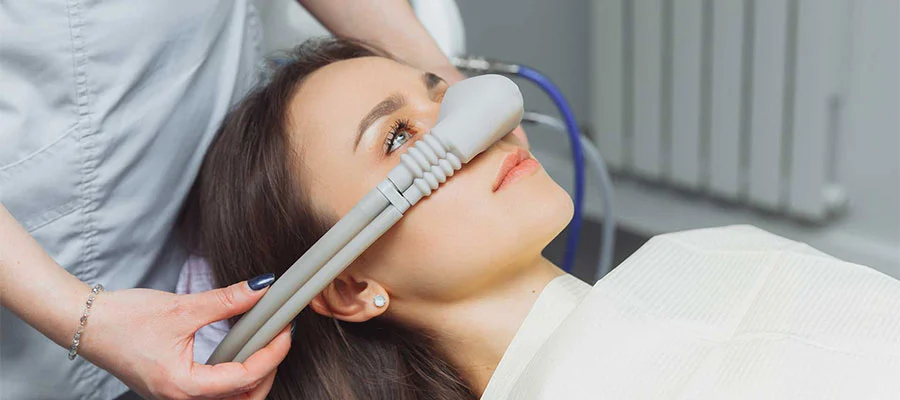
Sedation can be administered in different ways depending on the patient’s age, general health, and the duration of the procedure. The most common methods include medication given through a vein (intravenous sedation), gas delivered through a nasal mask (nitrous oxide, laughing gas), and oral sedative medications. Before application, the patient is evaluated in detail and the entire process is managed under specialist supervision.
We manage your treatment safely by prioritizing your comfort. To learn which sedation method is suitable for you, you can request pricing and ask for a specialist evaluation.
What Are the Types of Sedation?
Sedation is grouped into three main categories based on the method and depth: mild, moderate, and deep sedation. In mild sedation, the patient is awake but relaxed. In moderate sedation, the patient becomes drowsy during the procedure and may not remember most of it. In deep sedation, the patient is almost asleep and responds very little to external stimuli. In addition, “inhalation sedation” with sedative gas is also commonly used, especially in children.
We determine the most appropriate sedation method for patients with dental anxiety and help make the process easier. For information and pricing requests, you can contact us.
Who Is Sedation Suitable For?
Sedation is a method preferred to reduce anxiety and make dental treatment more comfortable. It can make treatment easier, especially for people who have dental fear, for longer procedures, or for those who have difficulty staying in the chair. Suitability is confirmed after an examination, based on general health status, current medications, and the planned procedure.
➤Adults with dental fear and intense anxiety
➤People who have difficulty staying in the chair for a long time
➤People with a strong gag reflex
➤Patients scheduled for long dental treatments
➤Children who have difficulty cooperating (if deemed appropriate)
➤Individuals with special needs
➤People with high sensitivity to pain and sound
Differences Between Sedation and General Anesthesia
Sedation and general anesthesia are not the same. The goal of sedation is to relax the patient and reduce anxiety. The patient usually breathes on their own and may respond to simple commands. Under general anesthesia, the patient is fully asleep and deeper monitoring and control are required. The choice depends on the scope of the procedure and the patient’s health status.
➤Level of consciousness: Partial awareness may be present in sedation, complete sleep occurs in general anesthesia
➤Breathing: In sedation, the person usually breathes independently, advanced monitoring may be needed in general anesthesia
➤Where it is used: Sedation can be preferred for many dental treatments, general anesthesia may be chosen for broader procedures
➤Recovery: Recovery is usually faster with sedation, monitoring time may be longer with general anesthesia
➤Pain control: In sedation, local numbing is still applied for many procedures
Advantages and Disadvantages of Sedation
Sedation aims to turn dental treatment into a more comfortable experience. By reducing anxiety, cooperation with treatment may improve. This method does not completely eliminate pain on its own. It is used together with local numbing in many procedures.
Advantages
➤Reduces anxiety and supports a calmer treatment process
➤Can increase comfort in long procedures
➤May help reduce the gag reflex
➤May improve cooperation with treatment
➤In some patients, supports a shorter and more organized procedure flow
Disadvantages and possible effects
➤Short-term dizziness and tiredness may occur after the procedure
➤Nausea may occur rarely
➤Driving the same day is not recommended
➤An accompanying person is needed
➤May not be suitable for every patient, clinician approval is required
How Does the Sedation Process Progress?
The sedation process begins with a detailed evaluation before treatment. The patient’s medical history is reviewed, and allergy status and health background are considered. After the appropriate sedation type is selected, sedative medication is administered on the day of the procedure. During the procedure, the patient is comfortable, without anxiety, and largely unaware. When the procedure ends, waking up is usually quick, and after a short rest, the patient can return to daily life.
We plan every step for you and manage the process safely and comfortably. To get detailed information and pricing about the sedation process, you can contact us.
How Long Does Sedation Last?
The duration of sedation can vary depending on the length of the planned treatment and the type of sedation used. In short dental procedures, sedation for 30 minutes to 1 hour is often sufficient, while more comprehensive procedures may take longer. Mild sedation methods work quickly and the patient may recover in a short time after the procedure. Duration and dosage are planned individually for each patient.
We plan your treatment time in advance and offer the most suitable sedation program for you. You can contact us for details about duration and pricing.
What to Consider Before and After Sedation
Before sedation, the goal is for the procedure to progress safely and in a controlled way. For this reason, medical history, current medications, and any allergies must be shared. Because fasting time can vary depending on the treatment plan and sedation type, it is important to follow the instructions provided before the appointment. Choosing comfortable clothing and coming with an accompanying person also makes the process easier.
After sedation, short-term dizziness, lightheadedness, and reduced attention may occur. For this reason, it is recommended not to drive the same day, not to stay alone, and to reduce physical exertion. Choosing warm, soft, light foods, drinking plenty of fluids, and taking prescribed medications regularly support recovery. Within the first 24 hours, the body is expected to return to normal; if symptoms last longer, a follow-up check should be planned.
Before sedation
➤Current medications, allergies, and health conditions must be shared
➤Follow the given instructions about fasting time and medication use
➤Come with an accompanying person on the day of the procedure
➤Choose comfortable clothing, reduce jewelry and accessories
➤Limit heavy meals, alcohol, and stimulating drinks before the procedure
After sedation
➤Rest for a while, do not drive the same day
➤Go home with an accompanying person, avoid being alone if possible
➤Mild dizziness and short-term forgetfulness may occur in the first hours
➤Do not make important decisions the same day, avoid intense exercise
➤Prefer warm and light foods, drink plenty of water
➤Use prescribed medications as recommended
➤Plan a check-up if severe nausea, shortness of breath, increasing pain, or prolonged dizziness occurs
Use of Sedation in Dental Treatment
For patients with dental fear or for long procedures, sedation can provide significant convenience. During extractions, root canal treatments, implant placement, or dental procedures in children, sedation is used to maximize patient comfort. This allows both the patient and the clinician to work in a more efficient environment. Sedation can also ease the procedure psychologically by reducing the perception of discomfort during oral interventions.
We offer safe sedation applications so you can complete dental treatments without anxiety. To get detailed information and request pricing, you can contact us.
Sedation Prices 2026
Sedation prices in 2026 may vary depending on the type of sedation (mild, moderate, deep), the duration of the procedure, and the patient’s general health status. The dental treatment planned together with sedation can also affect the cost. With personalized planning, safe and cost-effective solutions can be achieved.
We offer the most suitable pricing options for you and make your treatment process more comfortable. To learn about 2026 sedation prices, you can request pricing and schedule your appointment.
Frequently Asked Questions
Is Sedation Safe?
Sedation is a very safe method when applied by an experienced specialist. Before application, the patient’s general health status is evaluated in detail, and any chronic conditions are taken into account. Medication dosage is adjusted individually and vital signs are monitored throughout the procedure. Especially in dentistry, controlled and short-term applications often provide safe outcomes.
We ensure maximum safety throughout your treatment and perform all applications under specialist supervision. To learn about safe sedation and request pricing, you can contact us.
Will I Be Awake During Sedation?
Sedation is generally a conscious relaxation state. The person does not fully sleep, but may not remember most of what happens and may not feel the need to respond. Depending on the type of sedation, a mild drowsiness may occur, or the patient may remain calmly rested throughout the procedure. This helps reduce anxiety and supports comfort during treatment.
We provide a comfortable treatment process that helps you feel at ease. To learn which sedation type is suitable for you and to receive pricing information, you can contact us.
When Can I Return to Normal Life After Sedation?
After sedation, patients can usually return to daily life after a short rest. Although the effect varies from person to person, most patients recover within 1–2 hours after the procedure. However, it is recommended not to drive, to postpone important decisions, and to avoid heavy physical activity for the first 24 hours.
We monitor you closely and manage the recovery period safely. To learn more about the post-sedation process and request pricing, you can contact us.
Is Sedation Suitable for Children?
Sedation can be used safely for children in many procedures, especially in dental treatments. It can be effective for children who resist treatment, have difficulty cooperating, or experience fear. The plan is tailored to the child’s age, weight, and health status, and it is carried out under the supervision of pediatric dental care professionals.
We make your child’s treatment process more comfortable and support it with safe sedation applications. To get detailed information and request pricing, you can contact us.
Can Dental Treatment Be Done With Sedation?
Sedation is commonly used in dental treatments. It can be applied during many procedures such as root canal treatment, extractions, implant procedures, and surgical interventions. This method increases patient comfort and helps the clinician manage treatment in a more controlled way. It is especially preferred for long procedures or for patients with high anxiety.
We make your dental treatments comfortable and low-stress, and provide a safe process with sedation. For application details and pricing information, you can contact us.
Are There Side Effects of Sedation?
Side effects of sedation are usually mild and temporary. The most common effects include dizziness, short-term forgetfulness, nausea, and a feeling of grogginess. These effects typically resolve within a few hours. Serious reactions are rare, and risks are minimized with the pre-procedure health assessment.
We minimize risks with safe protocols and inform you in detail. To learn about possible effects and application conditions, you can request pricing from us.
Which Is Better: Sedation or General Anesthesia?
Sedation and general anesthesia are quite different, and the preferred method depends on the procedure type, duration, and the patient’s health status. Sedation is lighter, shorter, and more suitable for procedures performed with local numbing. The patient is conscious but relaxed. In general anesthesia, the patient is fully unconscious and breathing support may be required. While general anesthesia may be preferred for major surgeries, sedation is often more suitable for dental treatments.
We help you choose the most appropriate method and offer safe and comfortable solutions. For support in the decision process and pricing information, you can contact us.