


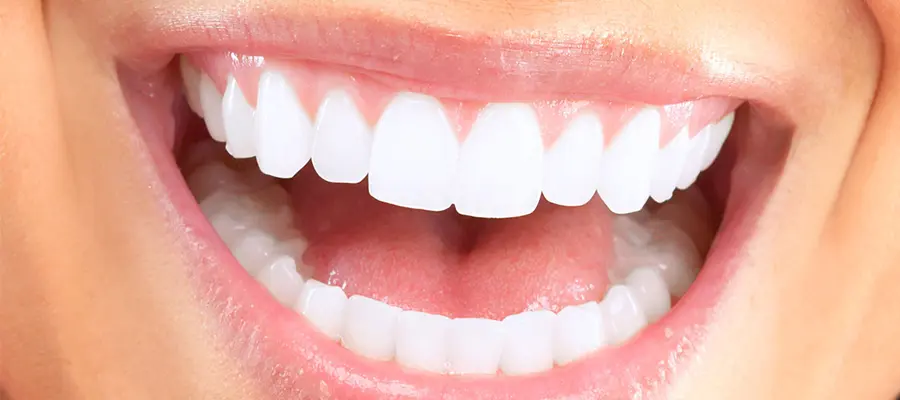
Gummy smile is the condition where the gums show more than normal while smiling. For some people, this creates only an aesthetic concern, while for others it can clearly affect the balance of the smile line. Factors such as teeth looking short, the upper lip lifting too much during smiling, or an uneven gum level can increase the gummy smile appearance.
The method for gummy smile is planned based on the source of the problem. In some cases, gum reshaping aims for a more balanced gum line, while in other cases, applications targeting the lip muscle or orthodontic corrections may be needed. With an examination, the teeth, gums, and lip movement are evaluated together and a suitable treatment plan is created.
What Is Gummy Smile Treatment?
The condition where the gums show more than normal during smiling is defined as “Gummy Smile.” Although it is seen as an aesthetic issue, it can directly affect a person’s confidence and social life. Especially when taking photos or smiling in public, showing too much gum tissue can feel disturbing for many people.
Gummy smile treatment is an aesthetic intervention performed to help the gums appear at an ideal level. The treatment aims to achieve a more symmetric and aesthetic smile by balancing the proportion between teeth, gums, and the lip. If you want to reshape your smile and gain a more confident expression, you can request pricing and plan a detailed pre-examination.
Why Does Gummy Smile Happen?
The factors behind gummy smile can vary from person to person. The most common causes include the upper lip moving too high, excessive gum growth (gingival hyperplasia), an overdeveloped upper jaw, or naturally short teeth. Genetic tendency and some orthodontic issues can also create a base for gummy smile.
By identifying the source of the issue that affects your smile aesthetics, we prepare the most suitable solution plan for you. After a comprehensive evaluation, we offer treatment options that match your aesthetic expectations. You can also get support to reduce the gum excess that bothers you.
How Is Gummy Smile Treated?
Gummy smile treatment is a multi-step process planned according to the person’s teeth and gum condition. The first step is a detailed oral and jaw examination. During smiling, lip level, tooth length, and gum level are evaluated. Based on these findings, the treatment plan is determined. In mild cases, laser gum reshaping may be enough, while in more advanced cases, surgical procedures or orthodontic applications may be preferred.
During treatment, we aim to provide the most suitable solutions in terms of health as well as aesthetics. With personalized treatment plans, we aim to create a smile that looks both natural and balanced. You can get detailed information and pricing to improve your smile aesthetically.
Which Methods Are Used in Gummy Smile Treatment?
The method choice is made based on why the gum tissue appears excessive. In some people, the issue is only a high gum line, and gum contouring aims for a more balanced look. In others, the upper lip rises too much while smiling, so the gums become more visible and applications that reduce lip movement may be planned. In cases where bone level is involved, surgical adjustments may come into focus. If there is a problem related to tooth position or bite, orthodontics can be used as support.
➤Laser gum contouring (gum reshaping)
➤“Pink aesthetics” adjustments based on gum level
➤Botox if upper lip movement is excessive
➤Surgical bone reshaping in bone-related excess
➤Orthodontic treatment (braces or clear aligners)
➤Additional adjustments within smile design such as veneers or bonding (when needed)
Who Is Gummy Smile Treatment Suitable For?
Gummy smile treatment is suitable for people who feel bothered by a clearly visible gum line when they smile. This can sometimes lead a person to smile less in photos or while speaking. For suitability, gum health, tooth length, lip movement, and bite are evaluated together. Because treatment is planned based on the source, there is no single method for everyone.
➤People who are bothered by excessive gum visibility while smiling
➤People with an uneven gum line
➤People unhappy with their smile because teeth look short
➤People whose gum appearance increases due to strong upper lip movement
➤People whose smile line has changed due to orthodontic issues
➤People with gum and oral health suitable for treatment
Laser Gummy Smile Treatment
Laser technology can offer a painless and fast solution in gummy smile treatment. Excess gum tissue is reshaped with laser in a precise way to support an ideal tooth-gum ratio. This method is often preferred for mild to moderate gummy smile cases. Bleeding is minimal during the procedure and the healing period is usually quite short.
We provide a comfortable treatment experience with modern technology and redefine your smile by shaping the gums with laser. With this method that can show an immediate effect, you can achieve a natural smile. You can contact us for detailed information and a price quote.
Correcting Gummy Smile With Surgical Methods
If the source of gummy smile is related to deeper tissues, surgical methods can be considered. Procedures such as lip repositioning (limiting upper lip movement), bone correction (osseous reshaping), gingivectomy, and orthognathic surgery can help control excessive gum visibility. These procedures are performed under local anesthesia with patient comfort in mind.
We offer surgical solutions for advanced aesthetic expectations and aim to help you achieve long-lasting and effective results. With a personalized plan, we help restore the natural balance in your smile.
How Long Does Gummy Smile Treatment Take?
The duration depends on the method and the patient’s needs. If the treatment only involves gum reshaping and a laser method is chosen, the procedure is usually completed in 15 to 30 minutes. These types of procedures often provide results in a single session and the healing time is relatively short.
However, if the source involves more complex reasons such as jaw structure, lip mobility, or bone excess, surgical methods or orthodontic treatment may be needed. In that case, the process can range from a few weeks to a few months. The timeline is clarified with a detailed examination before treatment.
We plan each case individually and adjust the treatment duration based on your needs. For a clear timeline and cost information, you can request pricing and start your personal evaluation process.
Advantages and Disadvantages of Gummy Smile Treatment
Gummy smile treatment aims for a more balanced smile line by reducing gum visibility during smiling. When the gum level is adjusted, teeth may appear longer and more proportional. This change can support more comfortable smiling in photos and while speaking. The most important point is choosing the right method, because lip movement, gum level, and bone structure may all play a role at the same time.
Advantages
➤A goal of a more balanced smile line
➤May help teeth look longer and more proportional
➤May create a more regular line by correcting gum asymmetry
➤Some methods can be quick with faster healing
➤Can progress in harmony with other aesthetic procedures in smile design plans
Disadvantages
➤Results vary depending on the source, and the effect is not the same with every method
➤With botox, the effect is temporary and may require repeats
➤In surgical plans, healing time may be longer
➤Sensitivity, swelling, or mild bleeding may occur in the first days
➤If oral care and follow-ups are neglected, gum issues may develop more easily
What to Know Before Gummy Smile Treatment
Before starting, the key step is to clarify why the gums are visible more than normal. The source can be the gum level, upper lip movement, jaw bone, or tooth position. The goal is not only to improve appearance but also to protect gum health with a correct plan. In some cases, issues that look purely aesthetic may also include gum inflammation or tartar buildup.
The method can differ from person to person, and one standard approach is not suitable for everyone. Gum thickness, tooth length, smile line, lip movement, and overall oral health are evaluated together. After expectations are clarified, the most suitable method is selected and the process is planned accordingly.
➤Identify the source: gum level, lip movement, tooth length, or bone level
➤If there is gum disease or tartar, treat it first
➤Measure tooth length and gum thickness, analyze the smile line
➤Check if orthodontic support is needed
➤Discuss pros and cons of botox, laser, and surgical options
➤Clarify expectations and target appearance within the plan
➤General health status and used medications should be evaluated
What to Consider After Gummy Smile Treatment
Post-treatment care affects both healing speed and how well results are maintained. Depending on the method, sensitivity, mild swelling, or gum tenderness may occur in the first days. If laser or surgery is performed, keeping the area clean and using recommended care products regularly can reduce infection risk. For botox, avoiding pressure on the lip area and following first-day instructions is important.
During the first week, nutrition and oral care should be more careful. Hard, crusty, or very spicy foods can irritate the area. Keeping follow-up visits on time matters for monitoring healing and making small adjustments if needed.
➤Choose warm foods in the first days, avoid very hot and very cold
➤Reduce hard, crusty, and very spicy foods in the first week
➤After laser or surgery, maintain oral hygiene and brush gently
➤If recommended, use antiseptic mouthwash or care products regularly
➤Avoid hard brushing and strong rinsing that may irritate the gums
➤If botox was applied, do not press or rub the lip area in the first days
➤Smoking can slow healing, if possible take a break
➤If swelling increases, bleeding continues, or bad taste-odor appears, plan a check-up
➤Do not skip follow-ups, monitoring is important for lasting results
Gummy Smile Treatment Prices 2026
As of 2026, gummy smile treatment prices vary depending on the chosen method and personal needs. Laser gum corrections are often more affordable because they are usually single-session procedures. However, if surgical intervention, botox applications, or orthodontic support is required, prices are shaped accordingly.
Factors such as procedure duration, used technologies, the doctor’s expertise, and additional treatment needs can affect pricing. For this reason, giving an exact price without a personal evaluation can be misleading. We aim to provide the best care with suitable payment plans and treatment options.
For the most suitable method and cost information, you can request pricing. We support you with solutions that match both your aesthetic goals and your budget.
Frequently Asked Questions
Is gummy smile an aesthetic issue?
Gummy smile is often considered an aesthetic concern. Showing too much gum tissue while smiling can make teeth appear shorter and create an unbalanced smile line. However, in some people, gum health issues, gum inflammation, or tartar buildup can also make the appearance more noticeable. For this reason, evaluation should be done not only for appearance but also for oral health.
Is gummy smile correction with botox permanent?
Botox correction is not permanent. Botox aims to reduce gum visibility by limiting the movement of the upper lip muscle. The effect decreases over time and if continuity is desired, it may need to be repeated at certain intervals. If a long-term result is expected, other causes like gum level or bone structure should also be evaluated.
Is gum cutting painful?
Gum contouring or gum cutting is usually not painful during the procedure because local anesthesia is used. Mild soreness, sensitivity, or gum tenderness may occur in the first days after treatment. These complaints often decrease in a short time. Following care instructions supports comfort during healing.
Does gummy smile treatment change the smile?
Yes, it changes the smile appearance. When the gum line becomes more balanced, teeth may look longer and more proportional. When upper lip movement is reduced, gum visibility can decrease while smiling. The goal is to achieve a natural smile line that matches the face.
Is one session enough?
In some cases, one session can be enough. For example, botox is usually done in a single session. Laser gum contouring is also completed in one session for many patients. However, if bone reshaping or orthodontic support is needed, the process can be longer and staged.
Can lip lift fix gummy smile?
A lip lift may help reduce gummy smile appearance in some people whose lip structure and movement are suitable. However, it is not the right option for everyone. Lip length, lip movement while smiling, and gum level should be evaluated together. The decision is planned after an examination.
Does gummy smile go away on its own?
In most people, gummy smile does not fully go away on its own. During adolescence, the smile line may change and lip movement may vary, but a clear gummy smile is often stable. If the cause is gum level, lip muscle, or bone structure, the look may stay similar without treatment. The best path is determined with a proper evaluation.
Which method is more effective?
The most effective method depends on the cause. If lip muscle movement is strong, botox can be effective. If the gum level is high, laser gum contouring can provide good results. If the issue is bone-related, surgical adjustment may be needed. If tooth position plays a role, orthodontic treatment can be the better choice. For this reason, the “best method” varies by person.
Will the smile look natural after treatment?
With correct planning and a balanced adjustment, the smile can look natural. The goal is not to pull the gum line back too much or create an artificial look. When tooth length, gum level, and lip movement are adjusted together, the result can look more natural. After healing is complete, the smile often looks more settled.
Can gummy smile treatment be done for everyone?
It cannot be applied in the same way for everyone. If oral health is not suitable, issues like gum disease or cavities should be treated first. In cases such as uncontrolled systemic conditions, active infections, or poor care compliance, treatment may be postponed. The appropriate method and timing become clear after examination and evaluation.