


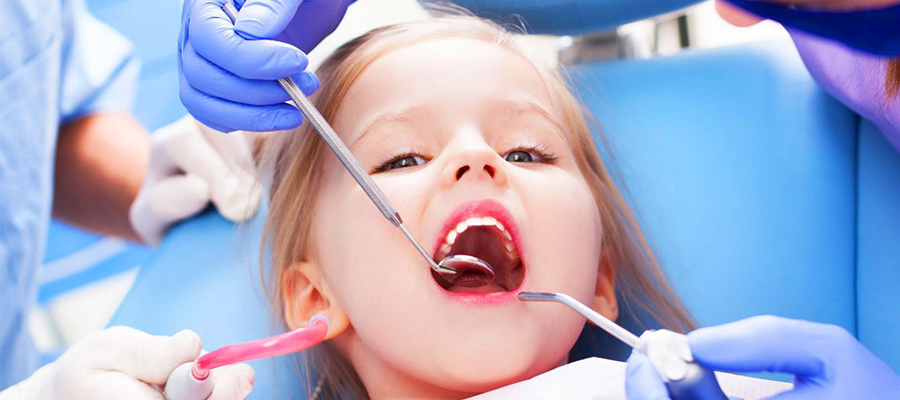
Pedodontics is the branch of dentistry that monitors children’s oral and dental health from infancy through adolescence. Although baby teeth may be seen as “temporary,” they play an important role in chewing, speech development, and the proper eruption of permanent teeth. Cavities and gum problems that occur early can cause pain and feeding difficulties, and they may also affect tooth alignment in later years. For this reason, regular check-ups in children make it easier to notice problems before they grow.
Within pedodontics, procedures such as cavity treatments, fissure sealants and fluoride applications, follow-up of teeth after trauma, and teaching correct oral care habits are performed. During the examination, a preventive plan is created based on the child’s age, dental development, and risk level. With regular follow-up and proper care, maintaining a healthy oral structure in children becomes easier.
What Is Pedodontics?
Pedodontics is the branch of dentistry that focuses on children’s dental health. From the eruption of baby teeth to the completion of permanent teeth, it aims to protect and support children’s oral and dental health. It offers tailored solutions in many areas such as cavity prevention, toothbrushing education, and intervention after trauma.
In our clinic, we provide pedodontic care in a fun and safe environment that prioritizes children’s comfort.
Who Is a Pedodontist and What Do They Do?
A pedodontist is a dentist specialized in children’s oral health. They deal with issues such as dental cavities, baby tooth treatments, traumatic dental injuries, and preventive applications in children aged 0–13. They also provide psychological support to help children overcome dental fear.
If you want to entrust your child’s oral health to safe hands, we provide care with our expert pedodontists.
Which Age Group Does Pedodontics Serve?
Pedodontics generally covers children from infancy (age 0) up to around 12–13 years. From the first month when baby teeth begin to erupt, children should be seen regularly by a pedodontist. In this way, cavities are noticed early and dental development is closely monitored.
To schedule your baby’s first dental examination, you can contact us for information and take the first step with confidence.
The Importance of Dental Health in Children
Oral and dental health habits gained in childhood form the foundation for later life. Healthy baby teeth support the healthy eruption of permanent teeth. They are also very important for chewing, speech development, and facial appearance.
We care about your children’s oral health and support their development with regular check-ups.
What Are Pedodontic Treatment Methods?
Pedodontic treatment methods aim both to prevent cavities and to control existing problems early. Because baby teeth and newly erupted permanent teeth are more sensitive during the development period, preventive applications are very important. Treatment choice is planned based on the child’s age, cavity risk, eruption status of the tooth, and intraoral examination findings. With regular check-ups, needs become clearer and the risk of unnecessary procedures decreases.
➤Fluoride application: Helps strengthen enamel and reduce cavity risk
➤Fissure sealant: Aims to prevent cavities by sealing the grooved surfaces of molars
➤Filling: Applied to restore tooth structure damaged by decay
➤Baby tooth root canal treatment (pulp treatments): Done to keep the tooth in the mouth in deep cavities
➤Post-trauma intervention: Follow-up and treatment of the tooth and surrounding tissues after falls or impacts
➤Space maintainer: Used to preserve space for the permanent tooth if a baby tooth is lost early
➤Tooth extraction: May be applied for non-restorable teeth or in some orthodontic plans
➤Check-up and preventive care plan: Supported with brushing education, nutrition guidance, and regular follow-up
Baby Tooth Treatments and Their Importance
Although baby teeth are temporary, keeping them healthy is very important. They guide chewing, speech, appearance, and the eruption of permanent teeth. Baby teeth extracted too early can cause permanent teeth to erupt crowded.
We aim to protect baby teeth as much as possible and treat them carefully when needed.
Preventing Tooth Decay in Children
Cavities are associated with poor nutrition, inadequate oral hygiene, and genetic factors. To prevent cavities in children, regular brushing habits, low-sugar nutrition, adequate water intake, and dental check-ups every 6 months are needed. In addition, fluoride and fissure sealant applications can significantly reduce cavity risk.
With preventive applications, we protect your children’s teeth against cavities. You can contact us to benefit from our preventive pedodontic services.
Dental Trauma and Pedodontic Interventions
Dental trauma in children often happens during falls, bumps, or sports activities. In such cases, pedodontic intervention without delay is very important. Whether it is a baby tooth or a permanent tooth, different treatment methods may be applied depending on the severity of the trauma. With early intervention, tooth loss can be prevented and jaw development can be protected.
In our clinic, we offer pedodontic solutions specific to trauma. You can contact us for emergency situations.
When Should an Orthodontic Examination Be Done in Children?
An orthodontic evaluation is generally recommended around the ages of 6–7. This period is a critical stage when baby teeth begin to fall out and permanent teeth start to erupt. With an early examination, jaw narrowing, tooth crowding, and harmful habits (such as thumb sucking and mouth breathing) can be detected early.
If you want your child’s orthodontic development to be monitored by a specialist, we welcome you to our clinic for the first examination.
Children’s Dental Treatment With Sedation and General Anesthesia
For very young children, children with dental fear, or individuals with special needs, treatment can be performed safely and comfortably with sedation or general anesthesia. Sedation provides a light sleep-like state, while general anesthesia results in complete loss of consciousness. The method is chosen based on the child’s age and the duration of treatment.
To complete your child’s treatment comfortably and without pain, we offer sedation-assisted options. Contact us for information.
How Often Should Pedodontic Visits Be?
Ideally, children should have dental check-ups every 6 months. However, if there is high cavity risk, crowded teeth, or a need for orthodontic evaluation, this interval can be reduced to 3 months. With regular visits, cavities can be noticed before they develop and necessary preventive applications can be carried out.
We monitor your children’s dental development and protect them with regular check-ups. You can contact us to schedule an appointment.
What to Know Before and After Pedodontic Treatment
A child’s dental experience can directly affect oral care habits in later years. For this reason, the goal before the first appointment is for the child to feel safe and to perceive the visit as a “normal check-up.” Before the appointment, it is more appropriate to prepare with short, clear, and calm sentences instead of expressions that create fear. Keeping oral care consistent and choosing a time when the child is more energetic can also make cooperation easier.
After the appointment, short-term sensitivity may occur depending on the procedure performed. Following the recommended care instructions during this period increases comfort and supports long-term results. Establishing a regular brushing routine, reducing sugary snacks between meals, and not delaying follow-up visits are important.
Before the appointment
➤Use calm and short expressions instead of words that may create fear
➤Frame it positively with terms like “check-up” and “dental care”
➤If possible, choose a time when the child’s energy is high
➤Do not neglect oral hygiene, keep brushing regular
➤Avoid very heavy meals, but do not arrive overly hungry
➤Bring a favorite toy or a small comfort item
➤Share any previous negative experiences
After the appointment
➤There may be sensitivity in the first hours depending on the procedure, warm foods may be preferred
➤Reduce very hard and sticky foods on the first day
➤Do not skip brushing, but clean the treated area gently
➤Use mouthwash or care products regularly if recommended
➤Plan a check-up if pain increases or if swelling or fever occurs
➤Do not postpone follow-up visits, regular monitoring builds habits
Pedodontics Prices 2026
As of 2026, pedodontic treatment prices may vary depending on the type and duration of the procedure, the materials used, and additional applications such as sedation. Each procedure, from baby tooth fillings to root canal treatment, from space maintainers to preventive applications, has its own pricing.
For the most up-to-date pedodontics prices, please contact us. We offer child-specific solutions for healthy smiles and help protect your children’s dental health with confidence.
Frequently Asked Questions
Which age range does pedodontics cover?
Pedodontics is the branch of dentistry focused on protecting and treating the oral and dental health of children aged 0–13. From infancy to adolescence, dental development, cavity formation, jaw structure, and orthodontic needs are evaluated within this field.
We provide regular pedodontic follow-up so your child can have a healthy dental development process. You are welcome to our clinic to meet our specialist pedodontic dentists.
When should I take my child for the first dental examination?
The first dental examination is generally recommended between 6–12 months, when the first baby tooth erupts. This check-up, performed at the latest by age 1, provides early information about dental health and helps prevent dental fear. During this visit, cavity risk is assessed and parents receive care recommendations.
We offer child-friendly applications to turn the first visit into a comfortable and pleasant experience. You can contact us to schedule an appointment.
Should baby teeth be treated?
Even though baby teeth are temporary, extracting them without treatment can cause serious orthodontic problems later. Also, decayed baby teeth can lead to pain, infection, and chewing difficulties. Healthy baby teeth guide permanent teeth to erupt in the correct position.
When baby tooth problems are treated without delay, children’s oral health is protected long term. You can get support from our pedodontic specialists.
Is anesthesia used during pedodontic treatment?
Depending on the type of procedure and the child’s cooperation, local anesthesia, sedation, or general anesthesia may be used. Especially for interventions such as extractions and baby tooth root canal treatments, anesthesia can be preferred to ensure comfort and a pain-free procedure.
We make the treatment process reassuring, not frightening, for your child. When needed, we offer controlled anesthesia options. Contact us for more information.
How can children develop a toothbrushing habit?
Toothbrushing habits should be developed as early as possible. Even in babies, it can start by wiping the gums with a clean cloth. From ages 2–3, brushing morning and evening with a fluoride children’s toothpaste and an age-appropriate brush should be supported. Turning it into a game, using cartoons, and parents being good role models can make the process easier.
We educate families and provide children with fun guidance so oral hygiene becomes a habit. We support your children for healthy smiles.