


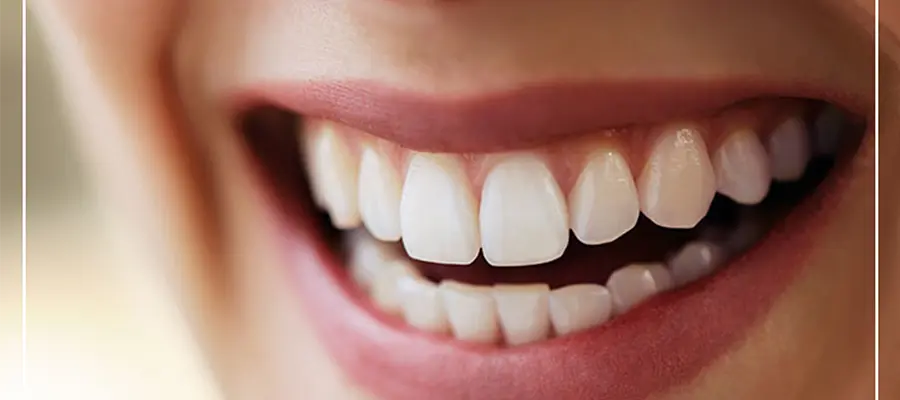
Emax crown is a porcelain-based restoration commonly used in aesthetic dentistry to achieve results close to a natural tooth look. Thanks to its light transmission, it reflects tooth color more naturally and is often preferred for the front teeth to support smile aesthetics. It can be planned to correct tooth shape, mask discoloration, or restore teeth that are chipped or worn.
The treatment starts with an examination, and the most suitable crown type is selected based on the tooth structure. After the necessary tooth preparation, an impression is taken, the laboratory stage is completed, and the crown is placed with a precise fit. With proper oral care and regular check-ups, an Emax crown can be used comfortably for a long time.
What Is an Emax Crown?
An Emax crown is a highly aesthetic dental crown made from lithium disilicate glass-ceramic. Its most notable feature is how it reflects light in a way that is close to natural enamel. For this reason, it is often used in the front teeth when a more lifelike and natural-looking result is desired. It contains no metal, which helps reduce the risk of a grayish shadow near the gumline. The smoother and more natural-looking color transitions are one of the main reasons it is frequently chosen in smile design.
An Emax crown can be planned to improve the appearance of teeth with discoloration, small cracks, uneven shape, or gaps. It is custom-made for each tooth, and with correct bonding, a strong integration with the tooth surface can be achieved. A natural-looking result depends on accurate shade selection, tooth shape, gumline harmony, and proper bite adjustment. With regular care and follow-ups, it can remain comfortable and stable for years.
How Is an Emax Crown Done?
The Emax crown process usually begins with an examination and planning. First, the current condition of the tooth is assessed, shade selection is made, and the exact design for the crown is determined. Then, the tooth is prepared, often with a minimal level of shaping. The goal is to create enough space for a natural-looking crown while preserving as much tooth structure as possible. After that, the tooth is recorded using either a digital scan or a traditional impression.
The impression is sent to the lab, where the custom Emax crown is fabricated. When it is ready, a try-in is performed to check shade and fit. If everything is suitable, it is bonded to the tooth using special dental adhesives, and bite adjustments are completed. As a final step, tooth contacts and the smile line are re-checked. Aftercare instructions are shared, and a follow-up plan is arranged.
Who Is an Emax Crown Suitable For?
An Emax crown is often preferred for people who have high aesthetic expectations, especially for the front teeth. It can be used to improve the smile in cases such as discoloration, small cracks, wear, shape irregularities, or gaps between teeth. Since it is metal-free and supports a more natural look, Emax is considered a strong option for the aesthetic zone.
When evaluating suitability, gum health, bite balance, and habits like teeth grinding are important. In cases of very dark discoloration, major tooth structure loss, or extremely heavy biting forces in the back teeth, other options may be more appropriate.
➤People who want aesthetic improvement in their front teeth
➤Those with tooth discoloration
➤Those with small cracks, chips, or wear
➤People with uneven tooth shape
➤People with gaps between teeth (diastema)
➤Those who prefer a metal-free crown
Differences Between Emax, Zirconia, and Porcelain Crowns
Emax is known for strong aesthetics and its high light transmission, which helps achieve a more natural look, especially on front teeth. Zirconia crowns stand out with strength and can be used more widely in both front and back teeth. Their light transmission is generally lower than Emax, but many cases still achieve a very pleasing appearance. Metal-supported porcelain crowns have a metal substructure, which can lead to a darker shadow near the gumline over time, and this may matter in high-aesthetic cases.
The best choice depends on tooth position, biting load, tooth color, and the desired outcome. For this reason, the decision should be made after an in-mouth evaluation.
➤Emax: Strong aesthetics and light transmission, metal-free, often preferred for front teeth
➤Zirconia: High durability, usable for front and back teeth, lower light transmission than Emax
➤Metal-supported porcelain: Durable, but higher risk of gray shadow near the gumline
Advantages and Disadvantages of Emax Crowns
Emax is frequently chosen for the front teeth when aesthetic expectations are high. The key points for success are correct case selection, proper bonding, and consistent oral care.
Advantages
➤Light transmission close to natural tooth enamel
➤Strong aesthetic goal for front teeth
➤Metal-free, lower risk of gray gumline shadow
➤More natural-looking color transitions
➤In many cases, can be planned with minimal tooth reduction
➤Smooth surface can help maintain a bright look
➤Strong retention can be achieved with proper bonding
➤High control of shape and shade in smile design
Disadvantages
➤In back teeth with very high bite force, fracture risk can increase
➤Grinding and clenching raise risk, a night guard may be needed
➤Masking very dark teeth can be more challenging
➤For teeth with major structure loss, other options may fit better
➤Because the technique and lab stage are sensitive, planning must be more precise
➤Cost may be higher than metal-supported porcelain
➤Habits like cracking hard shells with teeth increase damage risk
How Long Does the Emax Crown Process Take?
The Emax crown process is often completed in 2 visits and within about 4 to 7 days in total. The first visit includes tooth preparation and impression taking. The lab usually completes the crown within a few days, and it is placed at the second visit. In some cases, temporary crowns may be used to support comfort during the waiting period.
We plan a fast, comfortable, and aesthetic Emax process tailored to your needs. For timing, visit details, and cost information, you can request pricing from us.
How Long Do Emax Crowns Last?
Emax crowns are high-quality ceramic restorations designed to combine aesthetics with durability. With correct application and regular oral care, they can often be used for 10 to 15 years, and sometimes longer. Their lifespan is affected by bite forces, the tooth location, oral hygiene habits, and behaviors like teeth grinding.
For long-term stability, Emax crowns should be planned specifically for the person, with both aesthetics and function considered. To start a personalized plan, you can request pricing from us.
What to Consider Before and After an Emax Crown
Before Emax treatment, the goal is to make sure the tooth and gums are healthy and the aesthetic plan is accurate. If there is decay, an old filling problem, or gum inflammation, these should be treated first. While planning the shade, tooth form, and smile line, bite balance must also be evaluated, because proper bite adjustment helps the crown last longer.
Before
➤Check gum health and treat inflammation if present
➤Treat cavities and leaking fillings first
➤Get professional cleaning if needed
➤Finalize shade and tooth form planning
➤Share grinding or clenching habits
➤Create a consistent oral hygiene routine
➤Do not miss treatment appointments
After placement, mild sensitivity or a “different bite feeling” can occur for a short time. Regular care is essential to extend longevity. Habits like cracking hard foods with teeth, nail biting, or chewing pens can increase the risk of cracks. With follow-ups, the bite and crown margins can be monitored.
After
➤Avoid very hard foods for the first 24 to 48 hours
➤If sensitivity occurs, prefer lukewarm foods
➤Do not skip flossing and interdental cleaning
➤Brush gently but regularly
➤Do not crack hard shells with teeth, do not chew pens
➤If you grind your teeth, use a night guard consistently
➤If the crown feels “too high,” schedule an adjustment
➤If gumline bleeding, bad odor, or pain occurs, get a check-up
➤Keep follow-up visits and polishing if recommended
Do Emax Crowns Look Natural?
Emax crowns can provide a very natural look thanks to their high light transmission, which is close to enamel. This helps avoid a flat or artificial appearance, especially in the front teeth. Shade customization and a design that matches the face and smile line support a more lifelike result.
Emax Crown Prices 2026
In 2026, Emax crown prices vary depending on material quality, lab workflow, the dentist’s experience, and the number of teeth involved. Since Emax is considered a premium option for aesthetics and quality, pricing often reflects that. A clear plan is created after examination, considering how many teeth need treatment and whether any additional steps are required.
For detailed information and an appointment, you can request pricing from us.
Frequently Asked Questions
Do Emax crowns look natural?
Yes, in many cases Emax crowns can look very natural. Their high light transmission supports a tooth-like reflection. The most important factors are shade choice, tooth shape design, and gumline harmony. When these are refined during the try-in, results typically look more realistic.
Can an Emax crown break?
Like any crown, Emax can break, but good planning reduces the risk. Cracking hard foods with teeth, chewing pens, and teeth grinding increase the risk. In back teeth with very strong bite force, planning should be more cautious. If grinding is present, a night guard may be recommended.
Which crown is best for front teeth?
There is no single best option for everyone. Emax and porcelain veneers are commonly preferred for high-aesthetic front teeth cases. If the tooth is very dark or has major structure loss, other options may be more suitable. The decision is made after evaluating tooth color, shape, and bite.
Is Emax or zirconia more aesthetic?
In general, Emax is often favored for front teeth because it transmits light more naturally. Zirconia can also look very good, but it may appear more opaque compared to Emax. Zirconia often stands out more for strength, especially in back teeth. The better choice depends on tooth position and needs.
Do Emax crowns turn yellow?
Emax has strong color stability and noticeable yellowing is not expected. However, plaque and tartar build-up can make surfaces look dull over time. Regular brushing, interdental cleaning, and check-ups help maintain brightness. Tea, coffee, and smoking can affect surface appearance, similar to natural teeth.
Do Emax crowns contain metal?
No, Emax crowns do not contain metal. They are ceramic-based. This helps reduce the risk of a gray shadow near the gumline, which is one reason they are preferred in the aesthetic zone.
How many teeth can be treated with Emax crowns?
Emax can be applied to a single tooth or multiple teeth. Planning multiple front teeth together can make shade and shape harmony easier. The number of teeth depends on the smile line and the type of aesthetic correction needed.
Is the procedure painful?
It is usually not painful because local anesthesia can be used. You may feel pressure during preparation. Mild sensitivity can occur afterward and typically improves. If pain is strong or lasts, a check-up is recommended.
How much are teeth reduced?
The amount of reduction depends on the case and the crown design. In some cases, minimal preparation is enough, while in others more space is needed. The goal is to create a natural-looking result while preserving as much tooth structure as possible. The exact plan is decided after examination.