


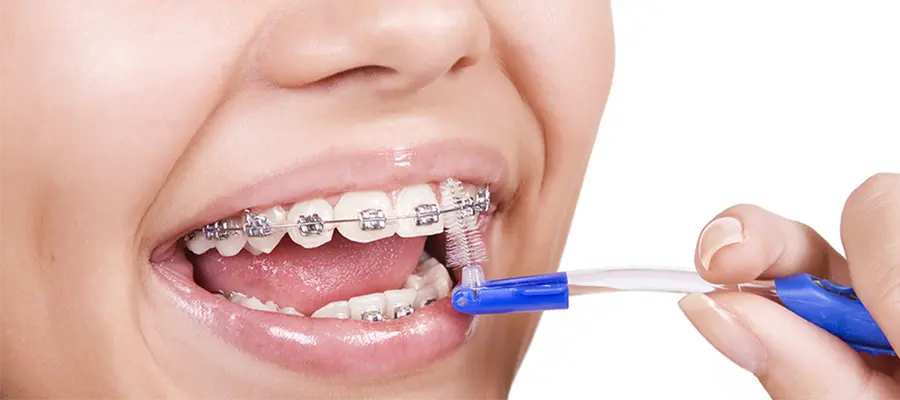
Orthodontics is a field of treatment that aims to bring the teeth and jaw structure into a more proper alignment. Issues such as crowding, spacing, and bite mismatches between the lower and upper jaws can affect both smile appearance and chewing balance. Orthodontic treatment aims for more comfortable chewing, easier oral care, and a more balanced smile line by correcting these problems in a planned way.
The treatment process begins with an examination and impressions. Tooth alignment, bite relationship, and jaw structure are evaluated. Then, the most suitable method is planned among options such as metal or ceramic braces, lingual braces, or clear aligners. With regular check-ups and proper care, orthodontic treatment supports achieving healthier and longer-lasting results.
What Is Orthodontics?
Orthodontics is a branch of dentistry that focuses on bringing the teeth and jaw structure into an ideal position, which is an important part of oral and dental health. Beyond aesthetic concerns, it also plays a major role in chewing, speaking, and overall oral health.
We evaluate conditions such as crowded teeth, spacing, or a narrow jaw and provide personalized treatment plans. We offer professional care for a healthy smile.
What Problems Does Orthodontics Address?
Many problems fall within orthodontics, including crowding, mismatches between the upper and lower jaws, open bite, deep bite, and gaps between teeth. Problems detected at an early age can often be treated more effectively and in a shorter time.
We analyze orthodontic issues that may negatively affect your appearance and oral function, and provide solutions that fit your needs. You can request pricing for an examination and start your evaluation process.
Who Is an Orthodontist and What Do They Do?
An orthodontist is a dentist who completes dental education and then specializes in orthodontics. Aligning teeth, treating jaw irregularities, and applying orthodontic appliances are among the main responsibilities of an orthodontist.
We provide professional guidance at every stage of your orthodontic treatment and aim to make the process comfortable and effective. Our orthodontist team supports you closely and offers lasting solutions.
How Is Orthodontic Treatment Done?
The process starts with an initial examination. X-rays are taken to evaluate jaw structure and tooth positions. After the treatment plan is created, suitable appliances such as braces or clear aligners are applied. Progress is monitored through regular check-ups.
Throughout the process, we offer tailored solutions based on the patient’s needs and provide clear guidance at each step. With proper planning and careful follow-up, successful results are supported.
What Are Orthodontic Treatment Methods?
The goal in orthodontics is to create a more balanced tooth alignment and bite. The method used is selected based on the level of crowding, the type of bite issue, aesthetic expectations, and oral care habits. In some patients, a single method is enough, while other plans may require additional appliances or supportive applications. For this reason, the most accurate path is determined after examination and measurements.
➤Traditional metal bracket braces
➤Aesthetic ceramic bracket braces
➤Lingual braces (placed on the inner surface of the teeth)
➤Clear aligner treatment (aligners)
➤Supportive appliances when needed (elastics, expanders, and similar)
Types of Braces and Their Features
Braces options offer different advantages in terms of appearance and daily use. Metal brackets stand out for durability and can be used in a wide range of cases. Ceramic brackets are less noticeable and are often chosen by people with aesthetic concerns. Lingual braces are not visible from the outside, but the adjustment period may be more noticeable at the beginning. Clear aligners provide comfort with a removable design, but they require consistent daily use.
Metal braces
➤Durable and suitable for a wide range of cases
➤Easy to monitor and adjust
Ceramic braces
➤More aesthetic and less noticeable
➤In some cases, can provide results as strong as metal brackets
Lingual braces
➤Placed on the inner surface, so they are not visible from the outside
➤There may be tongue contact and an adaptation period at first
Clear aligners
➤Less noticeable due to their transparent design
➤Removable, making eating and cleaning easier
➤Success requires consistent use (usually 20–22 hours)
Orthodontic Treatment With Clear Aligners
Clear aligners have become very popular in recent years because they offer a more aesthetic and comfortable option than traditional braces. This method is often preferred by adults and consists of transparent trays that gradually align the teeth. Aligners can be taken out and put back in easily, which can make daily life more convenient.
We plan each step of your clear aligner treatment carefully and follow results closely with regular check-ups. We provide a modern and comfortable treatment process.
How Long Does Orthodontic Treatment Take?
Treatment time varies from person to person. Mild crowding may be corrected in as little as 6 months, while advanced cases may take 18 to 24 months. Age, oral care habits, and treatment compliance can also affect the timeline.
We clarify your treatment time after the initial examination and create a schedule designed for you. Our specialist team manages planning, follow-up, and the full process.
Can Orthodontic Treatment Be Done at Any Age?
Orthodontic treatment, often seen as only for children, can now be applied to all age groups. If the tooth and bone structure is suitable, adults can also benefit from orthodontic correction. Alternatives such as clear aligners and aesthetic braces can be ideal, especially for adult patients.
No matter your age, we create the most suitable treatment plan for your oral structure. We support you with evaluation and pricing so you can start without delay.
Advantages and Disadvantages of Orthodontic Treatment
Orthodontic treatment aims to improve both appearance and oral function by correcting irregularities in the teeth and jaw structure. As teeth align, chewing can become more balanced, cleaning becomes easier, and in some cases the risk of gum problems may decrease. The effect of treatment becomes stronger with regular appliance use and consistent check-ups.
Advantages
➤Straighter and more balanced tooth alignment
➤More comfortable chewing and a more balanced bite
➤Easier cleaning between teeth
➤Support for reducing plaque buildup and tartar formation
➤May help reduce gum bleeding and odor complaints in some cases
➤Clearer speech in suitable cases
➤May help balance load related to teeth grinding and bite issues
➤A more refined smile line and increased confidence
Disadvantages
➤Treatment may take a long time
➤Pressure and sensitivity may occur in the first days
➤Bracket systems can be visible and may create aesthetic concerns
➤Oral care needs more attention, neglect can increase risk of problems
➤Some food restrictions may be needed
➤If check-ups are delayed, treatment can take longer
➤If retention is not used after treatment, teeth may shift back
What to Consider Before and After Orthodontic Treatment
Before treatment, gum health and cavities are checked, and if needed these issues are treated first. The most suitable method is evaluated together with bite, tooth alignment, and daily habits. After treatment begins, regular check-ups are a key factor for reaching planned progress.
After treatment is completed, the retention phase starts. Fixed or removable retainers are used to help maintain the new tooth positions. Oral care, follow-up appointments, and protective habits help preserve results long term.
Before treatment
➤If there are cavities or gum problems, treat them first
➤If tartar cleaning is needed, have it done
➤Share your medications and health status
➤If you grind or clench your teeth, mention it
➤Clarify the plan, timeline, and check-up intervals
After treatment
➤Use the retainer exactly as recommended
➤Avoid hard, sticky foods that may damage brackets or appliances
➤Do not skip brushing and interdental cleaning
➤Do not delay follow-up visits
➤If the retainer breaks or loosens, plan a check-up
➤If crowding starts again, get examined early for timely action
Orthodontics Prices 2026
As of 2026, orthodontic treatment prices vary depending on the chosen method, treatment duration, and individual needs. There are cost differences between metal braces, aesthetic ceramic braces, lingual systems, and clear aligners. The length of treatment is also a major factor in pricing.
We offer solutions with suitable payment options and provide customized pricing based on your needs. To receive a clear cost estimate and build your treatment plan, you can contact us.
Frequently Asked Questions
At What Age Should Orthodontic Treatment Start?
The ideal age to start orthodontic treatment is generally between 7 and 12. During this period, baby teeth begin to be replaced by permanent teeth and jaw structure continues to develop. However, this is not only for children. If jawbone and tooth structure are suitable, treatment can be applied at any age in adults as well.
With early check-ups, we help prevent future problems and start the most suitable treatment when needed. We provide evaluation and guidance with no strict age limit.
Does Getting Braces Hurt?
Placing braces does not usually cause pain because the application itself is painless. However, after braces are placed, mild pressure and sensitivity can occur for a few days as the teeth start to move. This is temporary and the body usually adapts over time.
We provide detailed guidance for a comfortable process and support patients in adapting more easily. We offer professional care for anyone who wants a smoother experience.
Are Clear Aligners Better Than Traditional Braces?
Both methods are effective in moving teeth into an ideal position. Clear aligners are aesthetic, removable, and often more comfortable, while traditional metal braces provide a fixed approach and can be effective for more complex cases. The choice depends on expectations, lifestyle, and orthodontic needs.
We evaluate the best option with you and create personalized treatment plans. We provide detailed guidance on which method may be more suitable for you.
How Long Does Orthodontic Treatment Take?
Treatment time depends on the current condition of the teeth, the method used, and individual compliance. Mild crowding may improve in 6 to 12 months, while more complex cases may take 18 to 24 months. Regular check-ups are very important throughout the treatment.
We monitor your treatment closely and support quicker, successful results with regular follow-ups and guidance. You can request pricing to plan your process.
Will Teeth Move Back After Treatment?
To prevent teeth from moving back after orthodontic treatment, the retention phase is very important. During this period, fixed or removable retainers help maintain the new tooth positions. If retention is neglected, teeth may gradually shift.
We manage the post-treatment period carefully and provide the support needed to keep results stable. With regular check-ups and guidance, we help protect your outcome long term.
What Should I Pay Attention to During Orthodontic Treatment?
During treatment, hard and sticky foods that may damage braces should be avoided. Paying attention to oral hygiene and adjusting brushing habits to the treatment are very important. Attending follow-up appointments regularly also directly affects success.
We inform you about all these details and provide the support needed for an effective and smooth treatment process. We stay involved at every step.
Is a Retainer Necessary After Braces?
After treatment, teeth are not yet fully adapted to their new positions and may shift over time. For this reason, using a retainer is necessary. These appliances, which can be removable or fixed, support the long-term stability of treatment results.
We manage the post-treatment phase carefully, choose the most suitable retainer option for you, and provide clear guidance on correct use.